
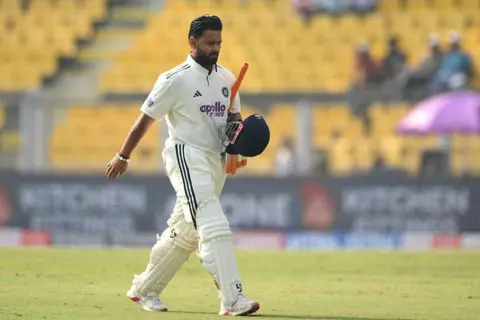
India's shocking 0-2 series loss to the Proteas in the recently concluded Test series has plunged the side into crisis.
In the final match, South Africa inflicted upon India their heaviest Test defeat by runs, contrary to predictions. This represented the Proteas' first series win in India in two and a half decades and the host nation's second home series loss in just a year after a 12-year unbeaten run.
The positive trajectory gained during the last several months has all but vanished and the careers of multiple squad members - including head coach the coach - are now uncertain.
A Promising Start Fades Quickly
The young team's commendable display in the UK this season, under a new captain, pointed to a seamless changeover after the near-simultaneous departures of stalwarts R Ashwin, Sharma, and Kohli.
A straightforward 2-0 victory over the Windies at the start of the domestic season enhanced that perception, till the Proteas turned up and handed out a fell blow.
The home side were a bit unlucky that captain Shubman Gill was injured quickly in the initial match and was ruled out in the contest. However, that fails to account for the squad of the well below standard performance in each match against the opposition.
Several established players suffered, and a few members eyeing lengthy Test careers were revealed to be not up to the mark - in ability or temperament - for the format.
Worrying Trend
This represented the second clean sweep on home soil experienced by the Indian team in just over a year. Last year, unfancied New Zealand had secured a surprising 3-0 win which practically cost the hosts a berth in the WTC final.
The latest loss to the Proteas risks harming the team's hopes of reaching the decider of this edition too.
From number three in the WTC table prior to the contest, India have fallen to the fifth spot. Although nine additional matches are remaining, half of these are against the Aussies. Typically, performing in familiar conditions would be a huge advantage - even when facing the mighty Aussies. However the debacles against the Kiwis and the Proteas leave little scope for such comfort.
Roots of the Decline
India's frailty in red-ball cricket has been significantly highlighted. Nevertheless, the reason India have fared so badly in Tests on home soil recently is continues to confuse.
Since the turn of the century, India were regarded as invincible in red-ball cricket at home. Under sweltering weather and on pitches that helped spin and suited their batsmen and bowlers, India faced little challenge. The occasional loss, like in the 2012-13 season against the English, was considered an exception.
Currently, India look to be beatable on home turf.
Against New Zealand in 2024 and South Africa this year, India were defeated by their own tactics. The pitches they developed to help their style backfired spectacularly, as opponents exploited them better, beating the home team's players when it mattered most.
What Happened?
A few experts argue that the Indian team is failing in home conditions because local wickets have been altered from turners to fast tracks to train the squad to perform better abroad.
Others highlight that the IPL, in which many overseas players participate, has removed the mystery and hardship Indian conditions would challenge them with in the past.
Although there is validity in both analyses, it fails to account for why India's performances at home have witnessed such a staggering decline.

Several Weaknesses
Many past stars identify a complicated issue, not only one or two factors.
Experts and participants have identified multiple deficiencies after India's disappointing performance to the Proteas: underestimating the opposition, inadequate readiness, questionable picks, excessive self-belief, regular alterations of the team lineup, and prioritising limited-overs over red-ball cricket.
This was clear in the showings of the side.
Members such as Rishabh Pant and Yashasvi Jaiswal, of whom great things were anticipated, paid for their nonchalance, while Sai Sudarshan, Reddy, and Dhruv Jurel - who were aiming to establish their place in the team - came up short in ability and attitude, facing the fallout for their nonchalant approach.
A small number - Ravindra Jadeja, Bumrah, Kuldeep, Siraj and Washington Sundar - fulfilled their skill and fame - but inadequately to claim wins.
Management Questions
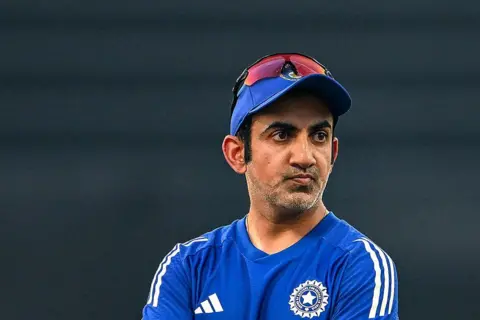
The analysis didn't spare the entire setup - selectors and support staff were also criticized, spurred on by distraught fans and critical former players. At the centre of the criticism was head coach Gambhir.
In his post-series press
